
In the digital world, “reliability” isn’t just a feature—it’s the foundation. Whether it’s a healthcare database or a global retail platform.
a system failure isn’t just an inconvenience; it’s a loss of trust and revenue. At Mousa Group, we don’t just build apps; we architect ecosystems designed to withstand the unexpected.
1. Redundancy: The Safety Net
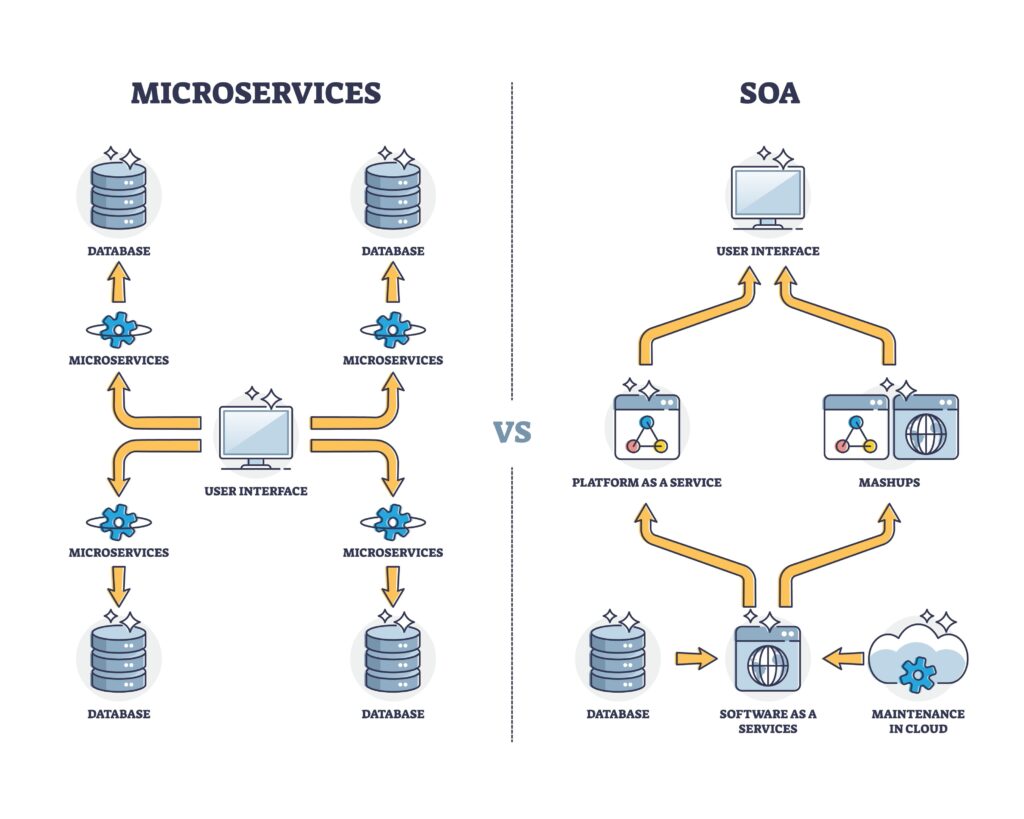
A truly reliable system has no “single point of failure.” We implement Redundancy at every layer—from database mirroring to load balancing across multiple servers. If one node goes down, the system automatically shifts the load to another, ensuring 100% uptime for the end user.
2. Scalability under Pressure
Reliability is tested most when traffic spikes. Our architecture uses Horizontal Scaling, allowing your system to “breathe.” As more users log in, the infrastructure expands automatically, maintaining high performance without crashing or slowing down.
3. Fault Tolerance & Graceful Degradation
What happens when a third-party API fails? A “failed” system crashes entirely. A “Reliable” system uses Graceful Degradation. This means if one non-essential feature fails, the rest of the application remains fully functional, providing a seamless experience while the background issue is resolved.
4. Security as a Stability Pillar
You cannot have reliability without security. By implementing Zero-Trust Architecture and end-to-end encryption, we protect the system’s integrity. A secure system is a stable system, free from the disruptions caused by external threats or data breaches.
Leave a Reply